

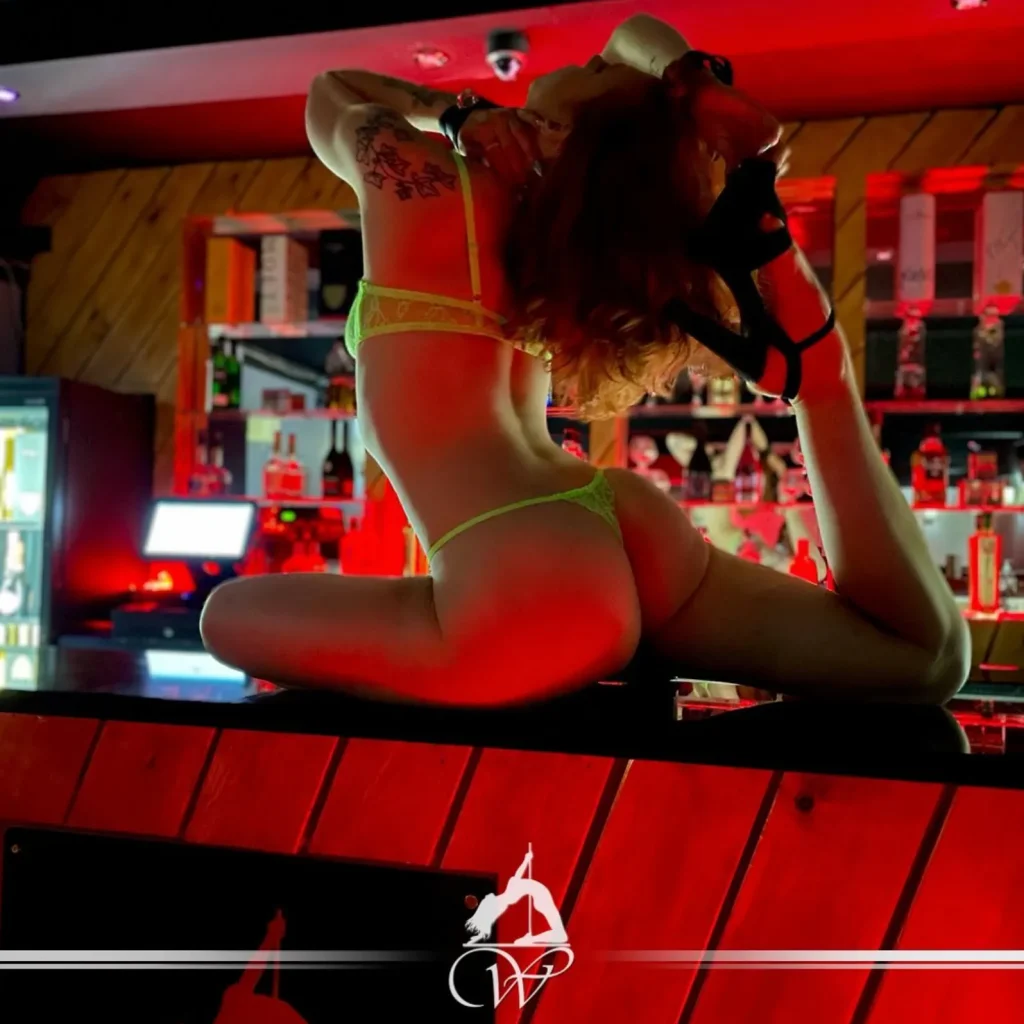
Strip clubs have long been an intriguing and captivating element of popular culture, making appearances in movies, music, and other forms of entertainment. They have played a significant role in shaping narratives, creating iconic moments, and becoming a source of inspiration for artists. In this article, we explore the role of strip clubs in pop culture and their influence on movies and music.
Portrayal in Movies
Strip clubs have been featured in numerous movies, often serving as settings that add intrigue, sensuality, or even danger to the storyline. From crime dramas to comedies, strip clubs have become iconic backdrops that help create a specific atmosphere or advance the plot. Films like “Showgirls,” “Magic Mike,” and “The Players Club” have showcased the world of strip clubs and the lives of the performers, shedding light on the experiences and challenges they face.
Influence on Music
Strip clubs have also had a profound influence on the music industry. Many artists have drawn inspiration from the strip club culture, incorporating its themes, aesthetics, and language into their music. Hip-hop and rap genres, in particular, have frequently referenced strip clubs in their lyrics, celebrating the allure, empowerment, and fantasies associated with these establishments. Artists like Drake, Cardi B, and T-Pain have released songs that pay homage to strip clubs and the experiences within them.
Fashion and Style
The fashion and style associated with strip clubs have also made an impact on popular culture. From the iconic pole dancing outfits to glamorous stage costumes, the fashion choices within strip clubs have influenced trends in mainstream fashion. The provocative yet stylish ensembles worn by performers have been embraced by designers, inspiring runway looks and influencing street fashion. Additionally, the distinctive aesthetics of strip club signage and neon lights have made their way into art and design, creating an iconic visual language associated with the industry.
Empowerment and Representation
In recent years, there has been a shift in the representation of strip clubs in pop culture. Some movies and music have aimed to portray the stories of performers with more depth and complexity, highlighting themes of empowerment, personal agency, and the challenges faced by individuals in the industry. This shift has contributed to a more nuanced understanding of strip clubs and the people who work within them, challenging stereotypes and promoting conversations about consent, body positivity, and sexual empowerment.
Cultural Commentary
Strip clubs in pop culture have also served as platforms for cultural commentary. They have been used to explore themes such as gender dynamics, societal taboos, and the commodification of sexuality. Through the lens of strip clubs, movies and music have provided social commentary on topics like power dynamics, objectification, and the blurred lines between fantasy and reality. These portrayals have sparked discussions and debates, encouraging audiences to reflect on societal norms and expectations.
Conclusion
Strip clubs have played a significant role in pop culture, leaving a lasting impact on movies, music, fashion, and cultural discourse. They have provided settings for narratives, influenced music genres, inspired fashion trends, and sparked important conversations. As pop culture continues to evolve, strip clubs will likely remain a captivating and thought-provoking element that reflects and shapes our understanding of society, human desires, and the complexities of the entertainment industry.
FAQs
1. Are all strip club depictions in movies accurate representations of the industry? While movies can offer insights into strip club culture, it’s important to recognize that they are fictionalized portrayals created for entertainment purposes. Real strip club experiences can vary significantly, and it’s essential to separate movie narratives from the reality of the industry.
2. Has the portrayal of strip clubs in music evolved over time? The portrayal of strip clubs in music has evolved over time, reflecting changing societal attitudes and artistic expressions. While some songs may romanticize or objectify strip club culture, others aim to celebrate the confidence and allure of performers or explore complex narratives beyond surface-level depictions.
3. Are strip clubs solely for male audiences? No, strip clubs cater to a diverse range of audiences, including women and couples. Many strip clubs have dedicated nights or sections that specifically cater to women, couples, or LGBTQ+ audiences, promoting inclusivity and ensuring a diverse and welcoming environment.